
Theory of Action.
Building integrated systems of care for high school students experiencing housing instability in Brockton.
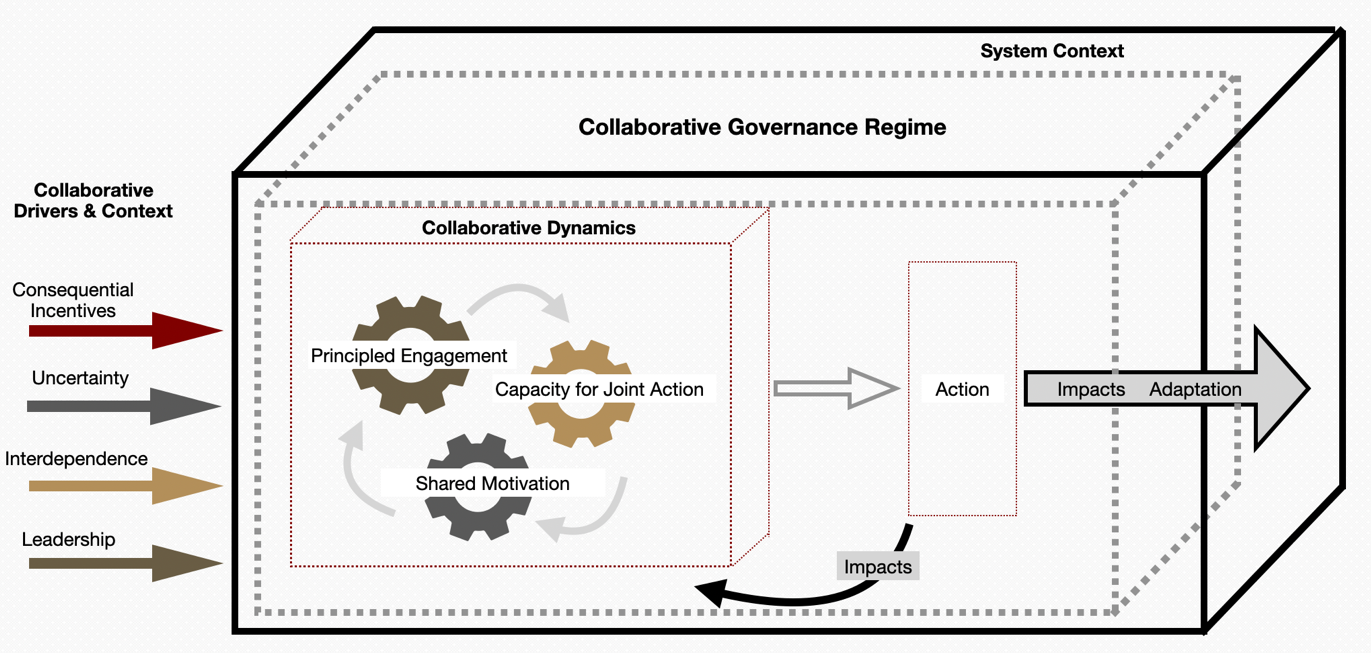
Why now.
Students experiencing homelessness graduate at rates 14 points lower than housed peers in Massachusetts, and face poor mental health at higher rates. Funding is uncertain, and no single system can respond alone, especially with budget cuts occurring at the local, state, and federal level.
How we work.
Partners engage through principled engagement: coalition convenings, shared decision-making, and youth advisory input that help define problems and align strategies. This builds shared motivation and the capacity for joint action, including aligned resources, formal partnerships, and pooled institutional expertise.
What changes.
Coordinated supports, including a school-based integrated services liaison, targeted tutoring and mentorship, and flexible funding, expand access to mental-health and academic supports, improve engagement, and reduce systemic fragmentation. From the start, BE&HC works to change how local youth organizations in Brockton collaborate, a shift that deepens over time into adaptive, systems-level change.
References
- Edwards, E. J. (2026). Student Homelessness in a County Governance Landscape: Fragmented Systems, Disconnected Schools. Educational Policy | https://journals.sagepub.com/doi/10.1177/08959048261425926
- Emerson, K., Nabatchi, T., & Balogh, S. (2012). An Integrative Framework for Collaborative Governance. Journal of Public Administration Research and Theory, 22(1), 1–29.
- Ishimaru, A. M. (2019). Just Schools: Building Equitable Collaborations with Families and Communities. Teachers College Press.